
Son Vida
600.000 - 1.370.000 €Indicative guide pricesIt is priced above the municipal asking figure.
DearestFlat over the yearAbove average
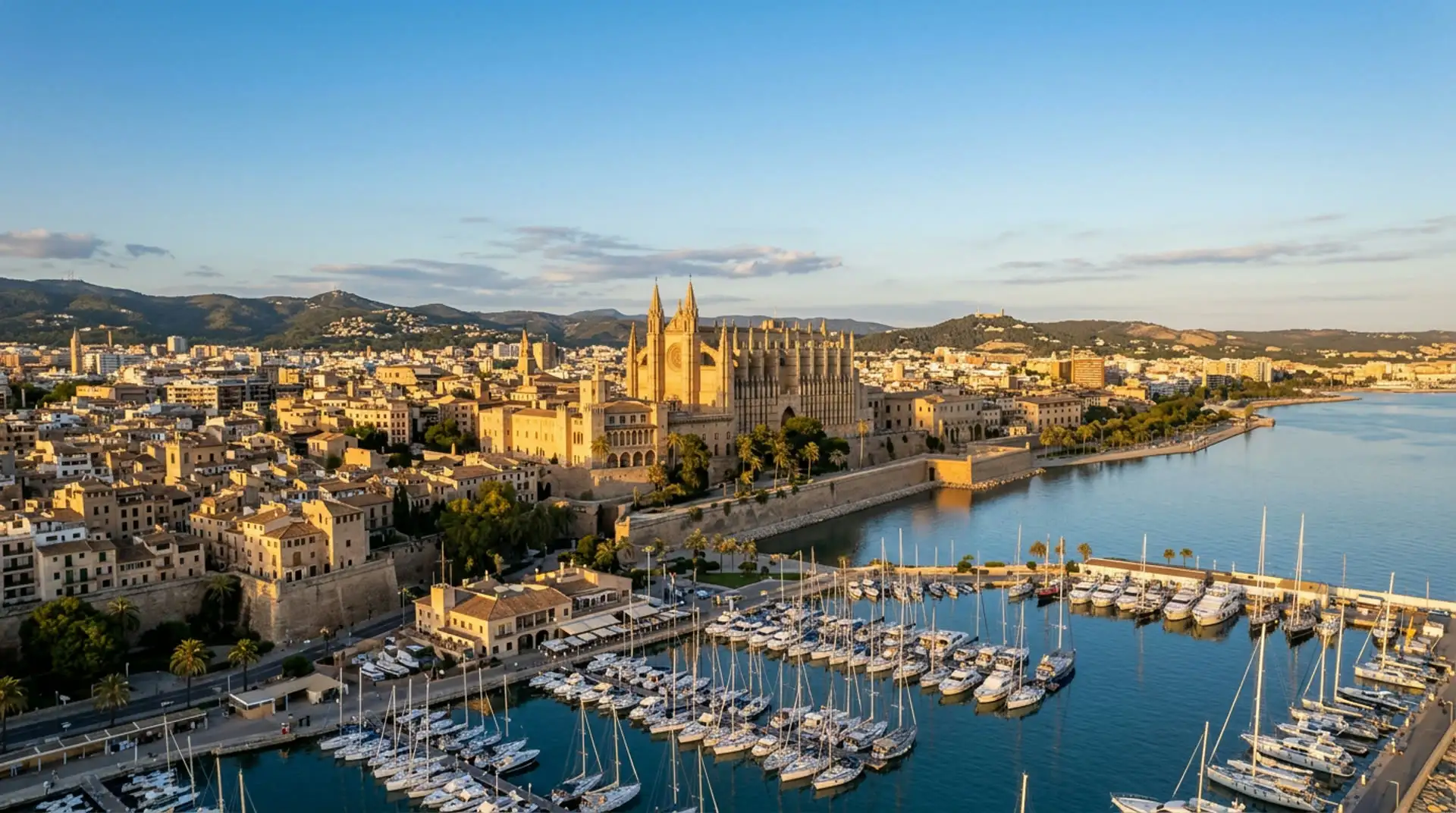
Palma works best for buyers who want Mallorca without giving up city life. It is the island's administrative and transport hub, with year-round neighbourhoods, major public hospitals, rail and metro services, a working port and an airport serving the wider island. The annual population census records 443,196 residents, so this is a substantial urban market rather than a resort that closes down outside summer.
The historic centre and waterfront form only one part of Palma. Residential districts spread around the bay and inland, with very different densities, building types and asking prices. Rail and metro routes favour some corridors, while residents have access to major public hospitals at Son Espases and Son Llàtzer. Buyers should therefore choose the district before assuming that a Palma address guarantees the same daily routine everywhere.
Palma gives buyers the broadest urban services and transport choice on Mallorca, in exchange for higher asking prices, denser surroundings and less private outdoor space than many of the island's smaller towns.
The verdict
The upside is real. So is the downside. Both matter more than any brochure will admit.
Mallorca's fullest urban life
Palma combines year-round neighbourhoods, public services, shops and workplaces on a scale the island's smaller towns do not offer.
Rail and metro choices
Train services run from Palma towards Inca, sa Pobla and Manacor, while the metro connects the city with the university and ParcBit corridor.
Major public hospitals in the city
Residents have access to Son Espases and Son Llàtzer, with the relevant health sector determined by the address.
Direct off-island connections
The airport and working port make Palma the most practical base on Mallorca for residents who travel frequently.
A wide choice of urban settings
The old centre, waterfront and inland residential districts offer markedly different building types, densities and daily routines.
High asking prices
Palma's housing market carries a substantial city and island premium, and the municipal average hides large differences between districts.
Less space in central districts
Buyers prioritising walkability and central services often accept denser streets, smaller homes and less private outdoor space.
Transport coverage is uneven
Rail and metro help selected corridors rather than the whole municipality, so some addresses remain bus or car dependent.
Health provision depends on the address
Palma spans more than one health sector, so residents should confirm which hospital and primary-care route applies before relying on proximity alone.
Editor's note
Palma suits buyers who want Mallorca with the daily range of a proper city. It offers the island's strongest combination of public services, urban neighbourhoods and transport, but it is not the natural choice for buyers seeking quiet streets, larger plots or a small-town rhythm.
Compare Alcúdia for a smaller northern town with beaches and a historic centre, Pollença for an inland old town with access to the north coast, or Sóller for a smaller Tramuntana setting. Buyers open to the mainland should compare Valencia for a larger coastal city without island dependence.
station: Palma de Mallorca Aeropuerto (B278), AEMET normals 1981 to 2010
Updated 2026-09-01
Median rent, flat
Long-term residential rental, tax-declared
Ministry of Housing and Urban Agenda, State Reference System for Housing Rental Prices, tax records, 2024. Based on 31529 declared tenancies
Updated 2026-09-19
Updated 2026-09-01
INE Annual Population Census, nationality basis, 1 January 2025
Where to live and what to expect at each price point.
It is priced above the municipal asking figure.

It is priced above the municipal asking figure.
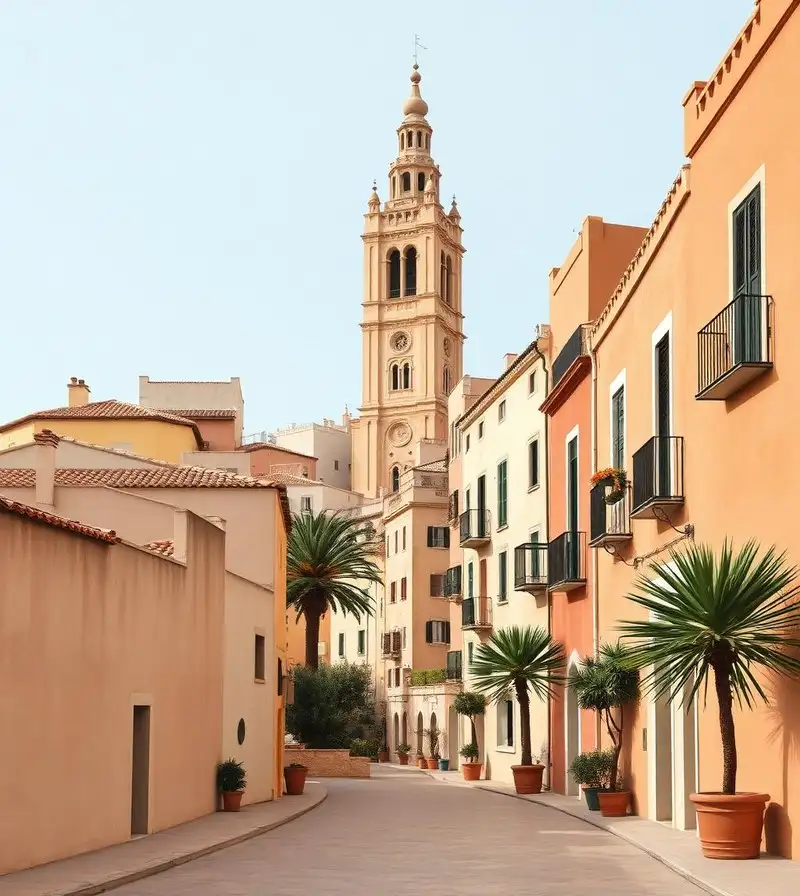
It is priced above the municipal asking figure.

It is priced above the municipal asking figure.

It is priced above the municipal asking figure.
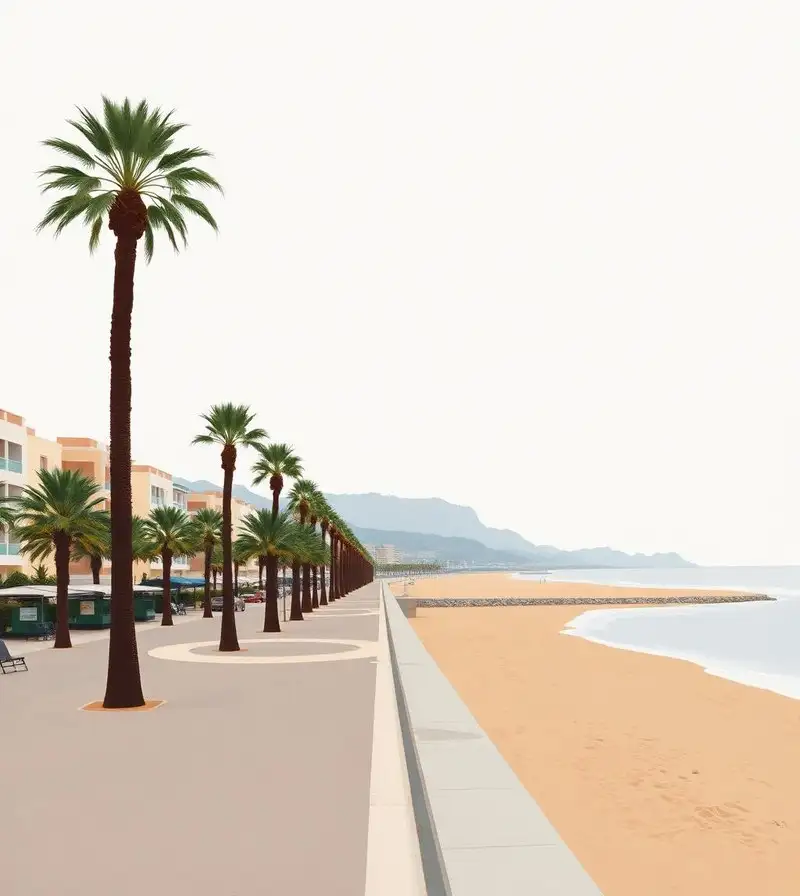
It is priced below the municipal asking figure.
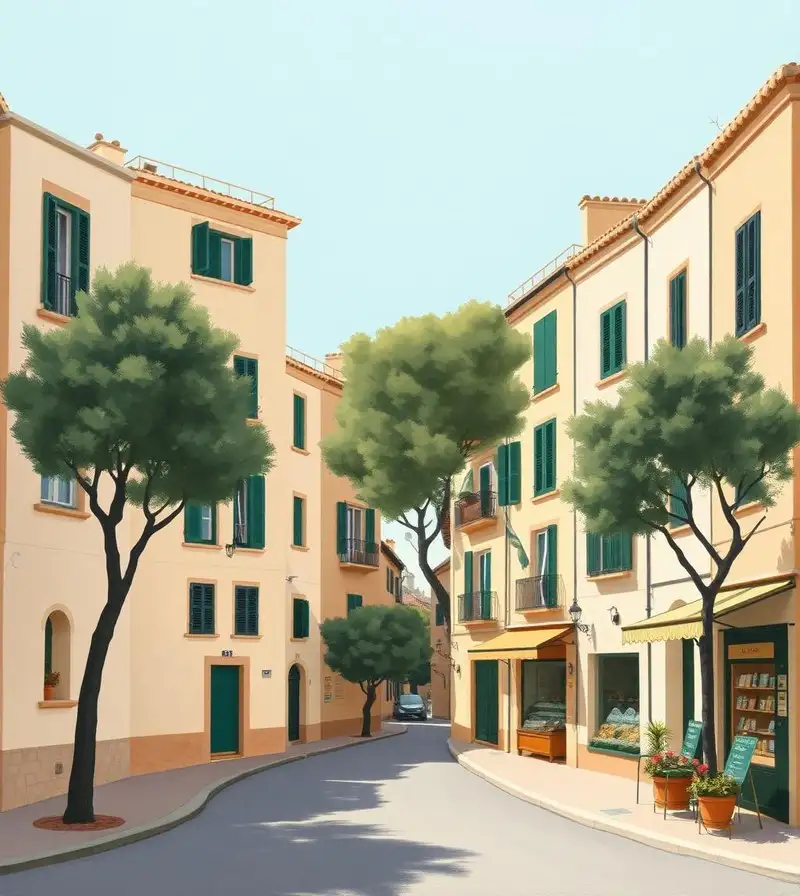
It is priced below the municipal asking figure.

It is priced below the municipal asking figure.

It is priced below the municipal asking figure.
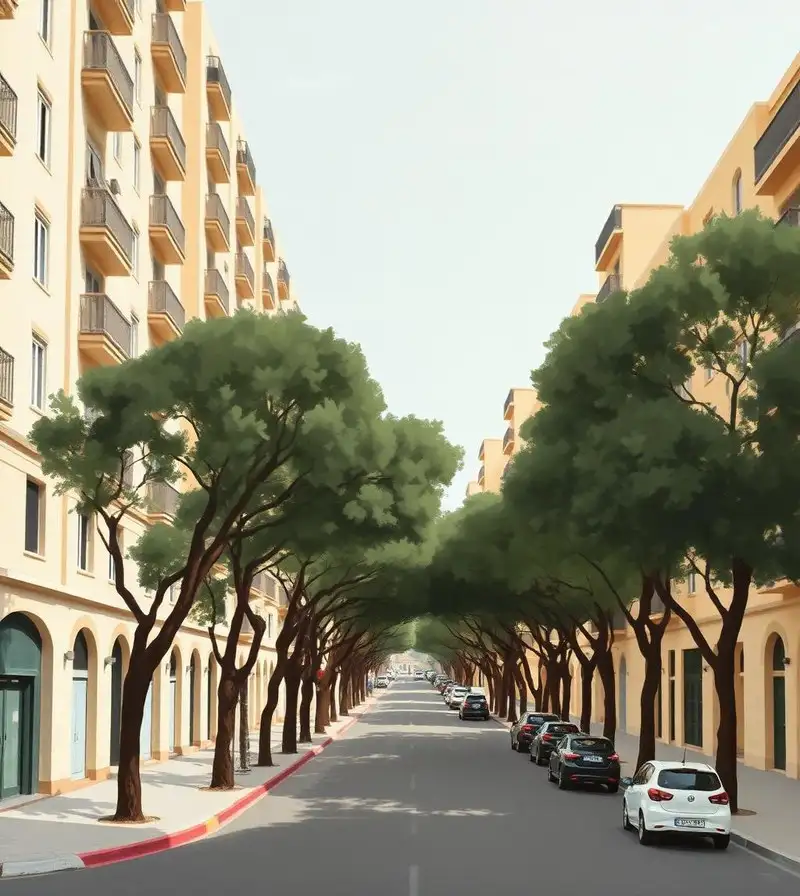
It is priced below the municipal asking figure.

It is priced below the municipal asking figure, and it is rising faster than the municipality over the year.
It is priced below the municipal asking figure, and it is rising more slowly than the municipality over the year.

It is priced below the municipal asking figure, and it is rising faster than the municipality over the year.
Honest answers to the questions buyers actually ask.
Transfer tax rates as of August 2026. Rates are set per autonomous community and do change. Confirm the current figures with a Spanish lawyer or tax adviser before you budget.
Deep knowledge of Palma de Mallorca and its real estate market.
We accompany you throughout the entire process, from search to closing.
Access to the best properties before they reach the market.
Our AI technology matches you with perfect properties faster than traditional search.
Our comprehensive guide covers everything foreign buyers need to know - from NIE numbers and residency permits to mortgages and legal requirements.
Use our free mortgage calculator to estimate monthly payments, compare loan scenarios and understand the true cost of buying in Spain.